
Working at height is one of the most high-risk activities in many industries. Whether it’s maintenance, inspection, construction, or industrial repair, workers often face difficult-to-reach areas where traditional access methods like scaffolding or lifts are not practical. This is where a rope access course in Singapore becomes essential.
A structured training programme equips learners with the technical skills, risk awareness, and rescue capabilities needed to perform tasks safely while suspended by ropes. It also prepares workers to meet industry standards and qualify for specialised roles.
Here’s a clear breakdown of what training involves and why it matters for workplace safety.
Understanding the Basics of Rope Access
Before any practical work begins, trainees learn the fundamentals of rope access. This includes:
- How rope systems work
- The purpose of primary and backup lines
- Basic rigging principles
- Understanding of friction devices and connectors
- Equipment use and inspection
This foundation ensures that every trainee understands how the system keeps them safe at height.
Hands-On Skills Taught in a Rope Access Course
A rope access course in Singapore includes intensive hands-on practice. Trainees learn essential manoeuvres such as:
1. Ascending and Descending
Operators practise moving smoothly up and down ropes using certified equipment. Proper technique helps conserve energy and maintain control.
2. Changing Directions and Rope-to-Rope Transfers
These skills allow technicians to navigate complex structures where multiple anchor points are required.
3. Work Positioning
Workers must be stable and comfortable while performing tasks with both hands free. Training teaches how to secure an ideal working position at height.
4. Rescue Scenarios
Rescue capability is a key component of rope access. Courses include:
- Self-rescue techniques
- Assisting a stranded colleague
- Lowering or raising an injured person
This prepares workers for real emergencies where quick action is needed.
Building Strong Risk Awareness
Work-at-height environments are unpredictable. A proper rope access course trains participants to:
- Identify hazards before starting work
- Choose suitable anchorage points
- Monitor rope wear, weather, and structural conditions
- Understand load limits and safe working angles
- Communicate clearly with team members
Strong awareness skills reduce risks and prevent incidents.
Learning Safety Standards and Industry Guidelines
Rope access work follows strict guidelines set by international bodies like IRATA and IRACS. Trainees learn to:
- Follow method statements
- Apply safety protocols
- Inspect equipment regularly
- Maintain logbooks
- Work under proper supervision
These standards ensure consistency and professionalism across all rope access jobs.
Why Rope Access Training Is Essential
A rope access course in Singapore is not only a technical requirement — it’s a safety necessity. The work involves suspended heights, complex structures, and high-pressure environments. Proper training:
- Reduces accident risks
- Ensures compliance with industry standards
- Improves worker coordination
- Enhances operational efficiency
- Builds confidence during challenging tasks
Trained technicians are better equipped to perform jobs safely and effectively, whether in construction, marine, oil and gas, or facilities management.
Reach New Heights Safely with Pioneer Training Centre — Your Trusted Partner for Rope Access Course in Singapore
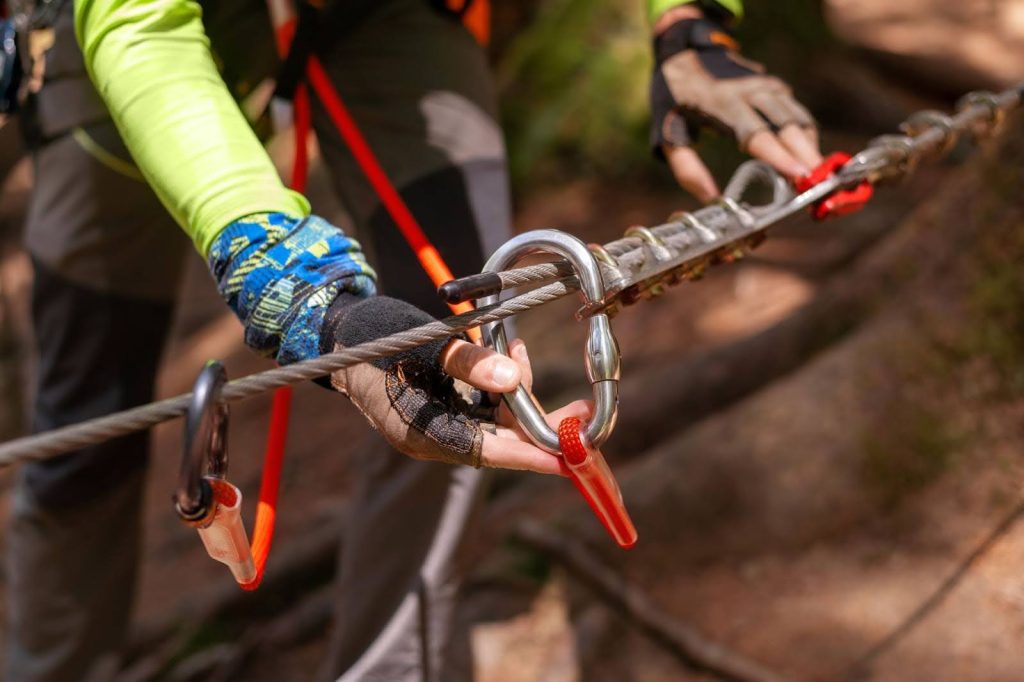
If you want to gain certified rope access skills, Pioneer Training Centre (PTC) offers a comprehensive IRATA and IRACS-approved programme designed for real industry demands. With expert instructors, detailed theoretical modules, and rigorous practical sessions, PTC ensures every learner becomes competent in safe climbing techniques, hazard recognition, rescue skills, and professional work positioning.
PTC also provides training facilities that mirror actual industrial environments, giving participants valuable hands-on experience. Whether you’re entering the field or upgrading your qualifications, this course prepares you to work confidently and safely at height.
Frequently Asked Questions
What is a rope access course used for?
A rope access course trains workers to safely access, work, and perform rescues at height using rope systems instead of scaffolding or lifts.
Is rope access training mandatory in Singapore?
While not legally mandatory for all roles, certified rope access training is required by many employers and industry standards for high-risk work at height.
How long does a rope access course take?
Entry-level rope access courses typically last several days and include both theory and intensive practical assessments.
Do I need prior experience to attend a rope access course?
No. Entry-level programmes are suitable for beginners, provided candidates meet basic fitness and medical requirements.
Which industries use rope access technicians?
Common industries include construction, marine, oil and gas, facilities management, inspection, and industrial maintenance.
Ready to Get Certified?
Contact Pioneer Training Centre today to enrol in a rope access course that takes your skills — and your career — to the next level.