
Forklifts are essential in logistics, warehousing, construction, and manufacturing. Because they handle heavy loads and operate in busy environments, proper training is critical. Formal forklift training in Singapore teaches operators the technical skills and safety habits needed to work efficiently and prevent accidents.
Below are the core skills covered in structured forklift programmes and why they matter for workplace safety and productivity.
Understanding Equipment and Controls
A key part of forklift training is learning how the equipment works. Trainees study the different types of forklifts, their controls, and their limitations. This includes:
- Steering and manoeuvring
- Brake systems
- Hydraulic controls
- Stability principles
- Load charts and limits
Knowing how each component functions helps operators act confidently and avoid unsafe movements.
Safe Handling and Manoeuvring Techniques
Smooth and controlled operation is essential for safety. Training programmes teach practical handling skills such as:
- Starting and stopping safely
- Turning in narrow aisles
- Operating on slopes
- Managing uneven floor surfaces
- Parking and securing the forklift
These skills ensure the operator can handle a forklift in real work conditions without putting themselves or others at risk.
Load Management and Stability
Improper load handling is one of the main causes of forklift accidents. Forklift training in Singapore places strong emphasis on load safety:
- Understanding the forklift’s centre of gravity
- Picking up, lifting, and lowering loads correctly
- Ensuring load balance
- Stacking and unstacking procedures
- Managing different load shapes and weights
Operators also learn how certain movements—such as sharp turns or sudden stops—can destabilise the forklift.
Pre-Operation Inspection and Maintenance Checks
Regular checks prevent equipment failure. Training covers how to inspect a forklift before use, including:
- Tyre condition
- Fork alignment and wear
- Fluid levels
- Brakes and horns
- Safety devices and lights
Early detection of issues helps reduce breakdowns and costly repairs.
Accident Prevention and Risk Awareness
Operators must stay alert to hazards, especially in high-traffic zones. Key lessons include:
- Identifying blind spots
- Watching for pedestrians
- Avoiding overhead obstructions
- Keeping a clear line of sight
- Safe speed control
This knowledge helps reduce workplace incidents and supports a safer work culture.
Communication Skills for Safer Operations
Effective communication is essential in busy workplaces. Training often includes:
- Using hand signals
- Understanding signals from spotters
- Coordinating with co-workers in tight spaces
- Maintaining awareness of surrounding activities
Good communication prevents misunderstandings and improves teamwork.
Decision-Making in Real Work Environments
Operators face fast-changing conditions on the job. Forklift training near you helps trainees make sound decisions, such as:
- When to slow down
- When to ask for assistance
- How to respond to unstable loads
- How to navigate congested areas
- When to stop operations due to unsafe conditions
Good judgement protects both workers and property.
Why These Skills Matter
A skilled operator:
- Reduces product damage
- Prevents workplace accidents
- Works more efficiently
- Handles complex tasks with confidence
- Contributes to a safer and more organised environment
Proper training benefits employers, workers, and overall operations.
Lift Your Career with Pioneer Training Centre — Your Trusted Partner for Forklift Training in Singapore
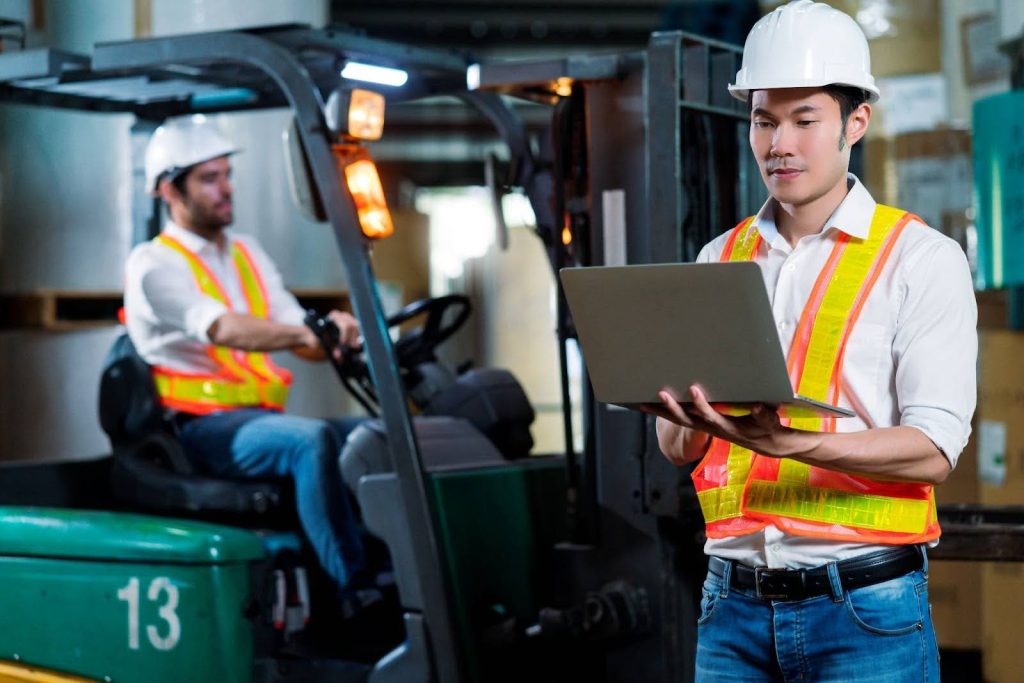
If you want structured, reliable forklift instruction, Pioneer Training Centre (PTC) delivers comprehensive programmes that equip operators with real practical skills. With accredited trainers, strong industry experience, and a hands-on training approach, PTC ensures learners master safe handling techniques, risk awareness, equipment checks, and operational performance.
Whether you’re entering the industry or upgrading your skills, PTC’s forklift courses help you meet regulatory expectations and work with confidence. Their programme is designed for learners who want high-quality training supported by experienced professionals.
Frequently Asked Questions
Is forklift training mandatory in Singapore?
Yes. Operators must complete approved forklift training before operating equipment, in line with Workplace Safety and Health (WSH) regulations.
Who should attend forklift training programmes?
Employers may face fines, stop-work orders, or other enforcement actions. Failure to comply can also increase accident risks and legal liability.
What skills are taught in forklift training programmes?
Training covers safe operation, load handling, risk awareness, pre-operation checks, communication, and decision-making in real work environments.
How long does forklift training usually take?
Most programmes are completed within a few days, depending on the course structure, learner experience, and assessment requirements.
Does forklift training include practical assessment?
Yes. Participants are typically assessed through both theory and hands-on practical evaluations to ensure safe operating competency.
Ready to Get Certified?
Contact Pioneer Training Centre today to enrol and gain the skills you need for safe, efficient forklift operation.